Tomb of the Nanyue King
Introduction
The Tomb of the Nanyue King, or Nanyue King Mausoleum, located in Guangzhou, Guangdong province, is a significant archaeological site from the Western Han Dynasty (206 BC-AD 24). Discovered in 1983, the tomb is renowned for its historical and cultural significance, providing valuable insights into the Nanyue Kingdom and the broader Lingnan region during the Qin (221-206 BC) and Han (202 BC- AD 220) dynasties. The tomb is the final resting place of Zhao Mo, the second king of the Nanyue Kingdom. It is celebrated for its intricate architectural design and the wealth of artifacts found within, which reflect the cultural, political, and economic dynamics of the time.
Historical Background
The Nanyue Kingdom, established in 204 BC by Zhao Tuo, was an independent political entity in the Lingnan region of southern China during the Qin and Han dynasties. It played a crucial role in the development of the "Maritime Silk Road", serving as a pivotal hub for cultural and commercial exchange between China and other civilizations. The tomb of the Nanyue King, therefore, is not only a burial site but also a testament to the kingdom's prosperity and its connections with the outside world.
Archaeological Discovery and Structure
The tomb was unearthed in 1983 during construction activities in Guangzhou. It is an underground palace comprising around 100 square meters, with more than 1,000 burial artifacts unearthed, including jade, gold, silver and bronze items. The tomb's structure is complex, with over ten chambers and corridors, showcasing advanced architectural techniques of the period. The use of large stone slabs and the presence of intricate carvings and murals reflect the high level of craftsmanship and artistic achievement of the Western Han Dynasty.
Artifacts and Cultural Significance
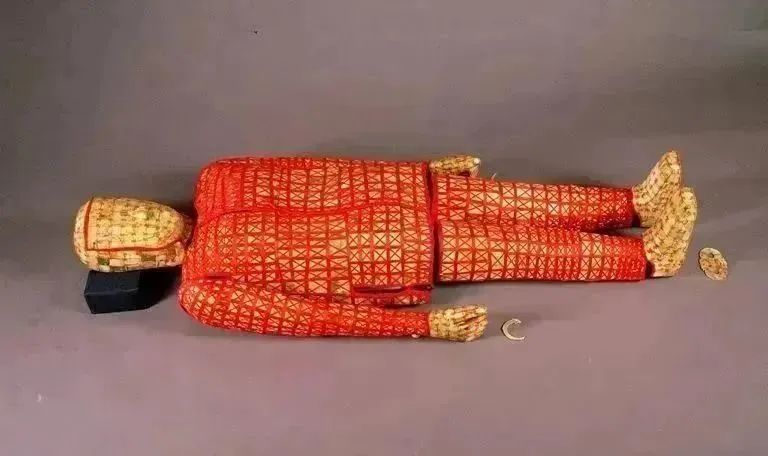
The artifacts discovered within the tomb are of immense cultural significance, providing insights into the burial customs, beliefs and daily life of the Nanyue Kingdom. Notable items include a jade burial suit sewn with silk thread, an imperial seal, and a variety of ceremonial vessels. These relics demonstrate the fusion of Han Chinese culture with local traditions, highlighting the unique cultural identity of the Nanyue Kingdom. The jade suit, in particular, underscores the importance of jade in ancient Chinese burial practices, symbolizing the quest for immortality.
Preservation and Public Access
The Tomb of the Nanyue King is preserved as part of the Western Han Nanyue King's Tomb Museum, established to protect and showcase the site and its artifacts. The museum plays a vital role in educating the public about the historical and cultural significance of the Nanyue Kingdom. It incorporates modern technologies, such as VR experiences, to enhance the visitor experience, allowing individuals to explore the tomb's interior and better understand the complex structure and rich history it embodies.
In recent years, the tomb and its artifacts have been featured in various exhibitions, both domestically and internationally, to promote understanding of ancient Chinese civilizations. The exhibitions provide a platform for exploring the open and diverse civilizations of ancient China and their lasting impact on Asian and global history.








